
Music Sin Fronteras 3.8.26
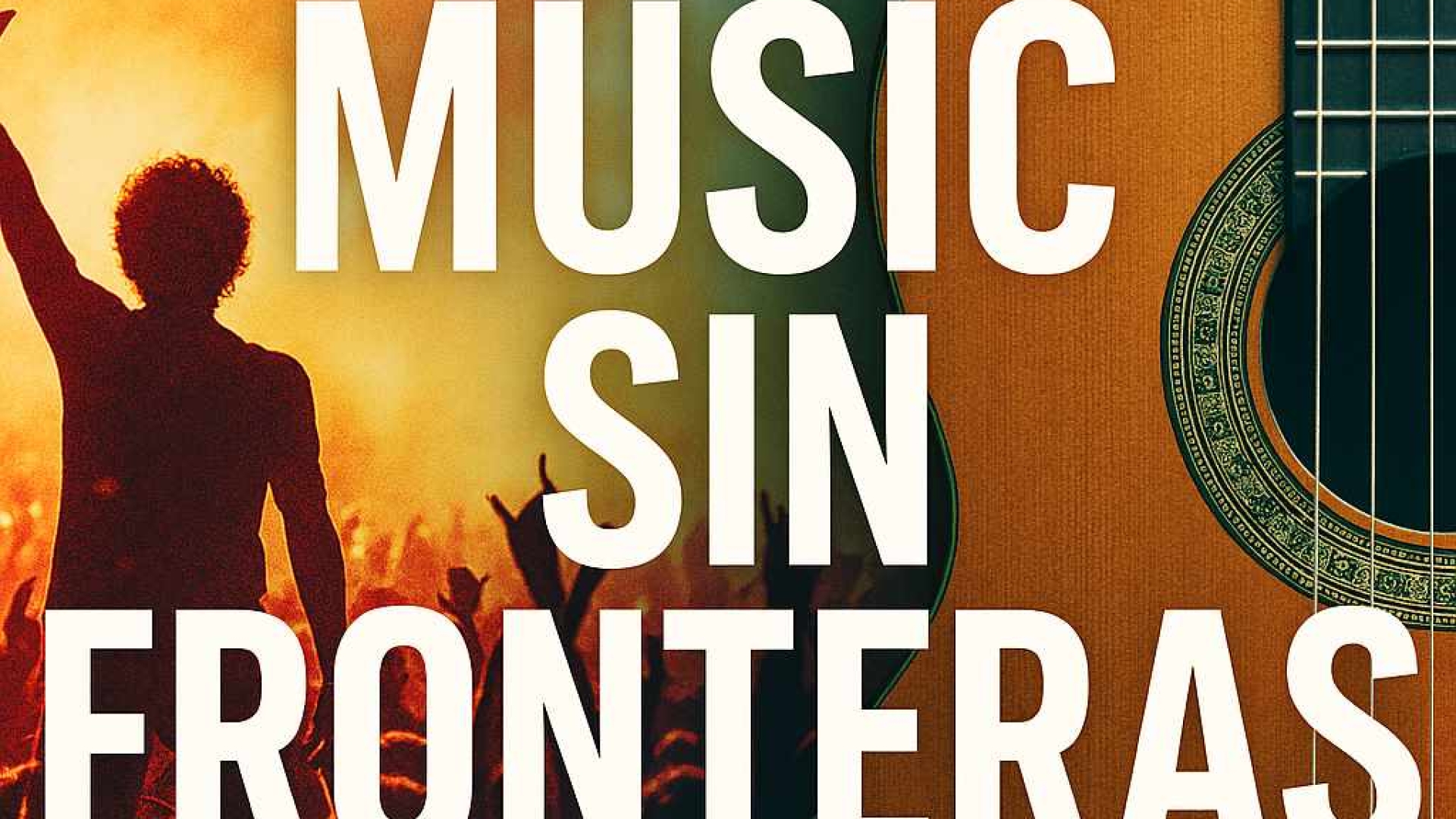
Country Jose McDonald died Saturday. Long live Country Joe
Country Jose McDonald died yesterday, Saturday, March 7, 2026, in Berkeley, California. I saw Country Jose many times during the 60’s: at the Fantasy Fair and Magic Mountain Music Festival, June 1967, at the Avalon and Filmore Ballrooms in San Francisco, where he was something of a regular on bills with Jefferson Airplane, Grateful Dead, and Quicksilver Messenger Service.
For those of you whose experience with the US at war is Iraq, not Vietnam, he should still be no stranger. Country Joe McDonald’s career traces the wild arc of 1960s counterculture, from prankish rebellion to reflective, hard‑earned wisdom, and his music remains one of its clearest, funniest and fiercest soundtracks of what it means to believe that war is most often not the way to solve the world’s problems (I say “most often” because every now and then a Hitler comes along who can be removed no other way). Best known for turning “I-Feel-Like-I’m-Fixin’-to-Die Rag” into the unofficial national anthem of the Vietnam antiwar movement, he spent six decades writing songs that fused satire, protest, and compassion in a body of work far deeper than one notorious singalong.
Born Joseph Allen McDonald in 1942, he came to Berkeley with a folk background, jug‑band instincts, and a firmly left‑wing outlook, a combination that would define his voice. With guitarist Barry “The Fish” Melton, he formed Country Joe and the Fish out of the Bay Area underground, marrying organ‑driven psychedelia to acid‑tinged humor and pointed social critique. Their 1967 debut, Electric Music for the Mind and Body, captured the San Francisco sound at full voltage: long, trippy instrumentals like “Section 43” sharing space with surreal character sketches such as “Not So Sweet Martha Lorraine,” all delivered with a sly, self‑deflating grin.
The follow‑up, “I-Feel-Like-I’m-Fixin’-to-Die,” carried the song that would define him—and, in some ways, confine him. “Fixin’-to-Die Rag,” written in a burst of dark inspiration, turned oompah‑band bounce into a vehicle for gallows humor about presidents, generals, arms dealers, and the parents who sent their sons to Vietnam. Too caustic for mainstream radio, it nonetheless spread campus to campus until it became common tongue for dissent, its chorus shouted by protesters and, tellingly, by soldiers themselves in-country. McDonald’s gift was to make protest funny without dulling its rage, which is why the song still feels uncomfortably on point at times now.
In August 1969, on a muddy afternoon in upstate New York, all of that crystallized. Walking onto the Woodstock stage solo, he led an estimated 400,000 people through the infamous “Fish Cheer” before detonating “Fixin’-to-Die Rag” as mass catharsis, a scene that became one of the defining images of the festival film. It fixed him in the public imagination as the archetypal hippie prankster, but it also obscured the breadth of his writing, from the James Brown–inspired “Rock and Soul Music” to barbed political cartoons like “Superbird.”
When Country Joe and the Fish wound down around 1971, McDonald doubled back to his roots, opening his solo career with the loving tribute album “Thinking of Woody Guthrie.” Over the next decades, he moved restlessly through styles—folk, country, blues, even a concept album—while staying locked on questions of war, justice, and the people left to pick up the pieces. Records like “War, War, War” and “The Vietnam Experience” took the long view of conflict and its aftermath, and he became a tireless advocate for Vietnam veterans, helping push for memorials in Berkeley and San Francisco and playing countless benefits and commemorations. He insisted, long before it was a cliché, that you could oppose a war and still stand shoulder to shoulder with those sent to fight it.
In later years, even as he lived with Parkinson’s disease, McDonald remained a regular presence on Bay Area stages, working clubs, festivals, and commemorations with the same crooked smile and sharp tongue. The psychedelic trappings faded, but the core stayed intact: a plainspoken voice, a sturdy set of chords, and an unwavering belief that a song could still make you laugh, think, and maybe, if you sang it loud enough, change something.
His spirit is alive today in bands and artists like Adeem the Artist, Jensen McRae, Jesse Welles TikTok, Dead Kennedys / Jello Biafra (and Lard, Mojo Nixon collabs). They all tackle social themes and protest with humor, throwing in biting satire and great music. As long as there are wars and leaders who start them and use them for their own ends, Country Jose’s musical descendants will skewer them with music. Long live Country Joe.




















LEAVE A REPLY