
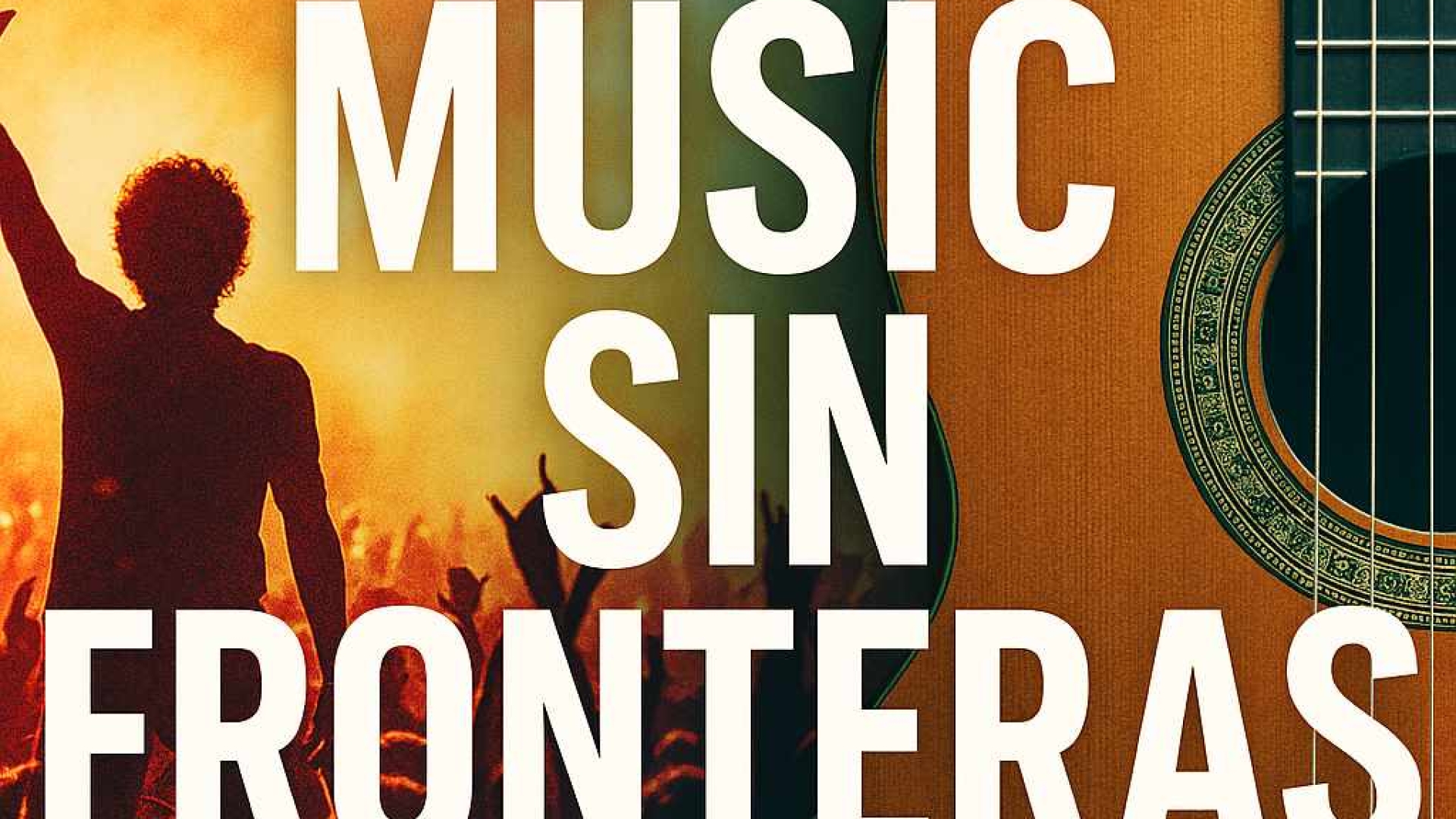
Music Sin Fronteras 12.7 .25
Spotify and Bandcamp – two ways of paying artists
What could be more sin fronteras than music streaming platforms and their payment methods?
The opaque ways in which artists get paid for streams do not stop at national borders (though it
may vary a bit from country to country). Spotify’s latest attempt to make its royalty model a bit
less opaque didn’t quite work out the way it planned. If you look at the music press at all, you
probably saw Spotify’s Loud & Clear report and royalties guide. Instead of showing how
generous Spotify claims to be, the documents sharpened the contrast between big platform micro-
payment streaming economics and more artist-centric alternatives like Bandcamp.
If you are a listener and you want your music, it may seem like an arcane, in-the-weeds problem
– just give me my songs. But the payment systems can and do determine what you get to listen
to and whether or not your favorite band keeps going. Here’s the skinny.
Spotify’s annual Loud & Clear report and royalties guide tried to “clarify” how streaming
payouts work. In the 2025 report, it noted that it does not pay a fixed “per-stream rate” but
divides revenue according to “streamshare” – Spotify’s term for how it divides all of the month’s
royalties among rightsholders each month (labels, artists, songwriters, etc). Instead of paying a
fixed amount per stream, Spotify adds up all streams in a given market (for example, all plays in
Mexico in November), then calculates what percentage of those total streams belong to each
label, distributor, artist, or other rightsholders.
Spotify said that it paid over $10 billion to the music industry in 2024 under this system, and said
nearly 1,500 artists generated at least $1 million in royalties that year. Even with this huge
payout, Spotify became profitable in 2024, after many years of operating at a loss. And $10
billion is a lot of money to distribute to artists- plus Spotify says that half went to indie artists
and labels.
That is all well and good. But these headline figures obscure how little most musicians receive
under streamshare. There are 11–12 million artists on Spotify (only 14% of which have more
than 10 subscribers), so there are a lot of artists who don’t make a million a year, or anything,
under this system. If you are Taylor Swift or a major label, you do okay. If you are an emerging
new artist, don’t quit your day job.
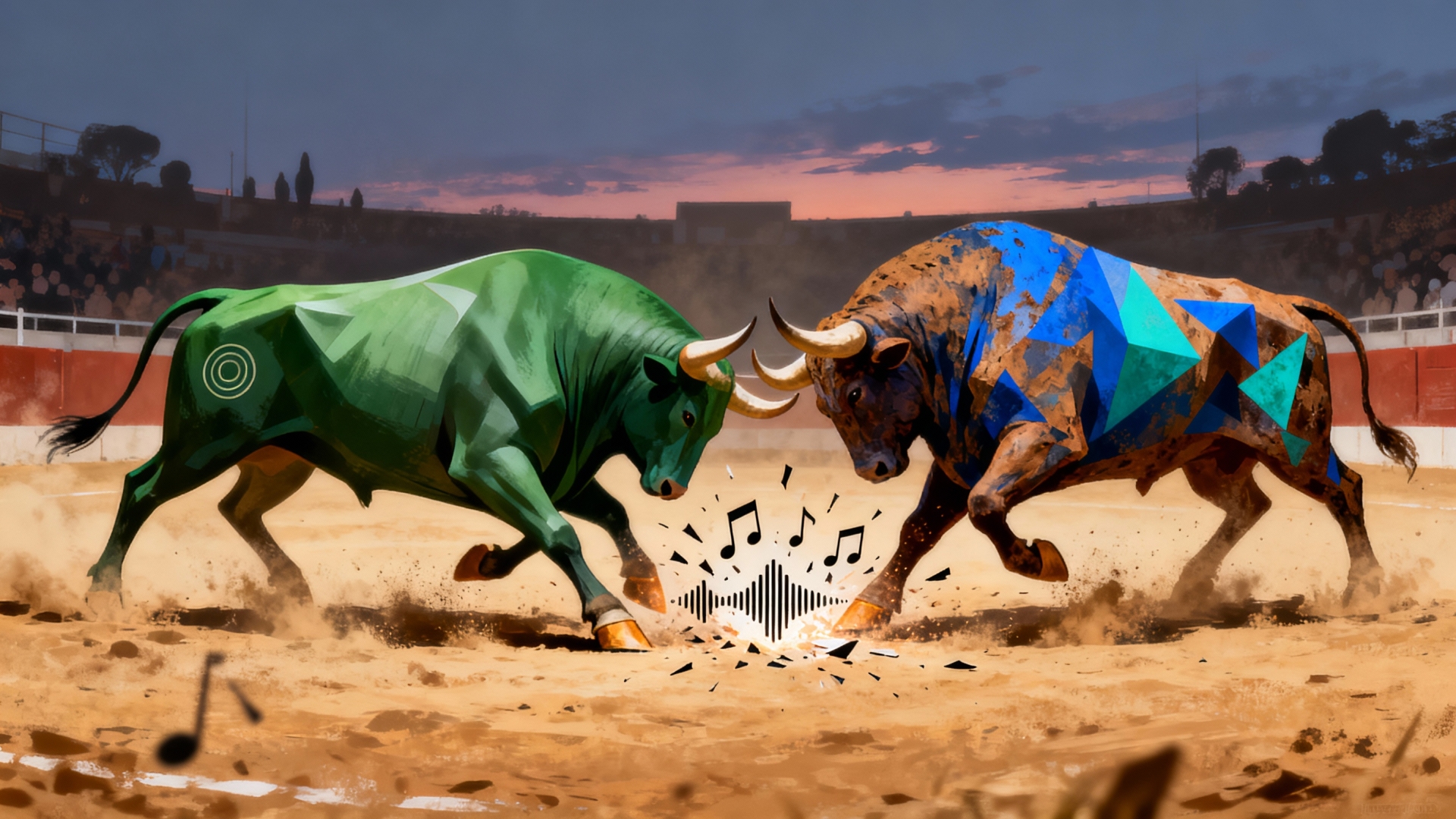
Enter Bandcamp, which announced that its Bandcamp Friday initiative will continue in 2026,
with eight dates where the platform waives its revenue share so artists and labels keep nearly all
of each sale. Since its launch in 2020, Bandcamp Friday has funneled well over $100 million
directly to artists and labels in just a few dozen 24-hour windows, on top of Bandcamp’s everyday
model, where artists typically receive around 80 percent of each purchase.
What this boils down to is that Spotify’s “clarification” campaign is actually an attempt to
legitimize its scaledriven, investor-friendly model, while Bandcamp Friday’s 2026 announcement
doubles down on a fan-powered, high-margin model for creators.
Which means, dear reader, that even if you just want to listen to your music, the payment
systems of streaming platforms affect you. That great band you heard last week at a local club
may not bother to register for a platform, or may quit music altogether because they, you know,
want to eat. Now, I understand that Spotify’s interface and features like playlists, credits, info on
the artist, lyrics to some songs, and miniplayers are really cool. So for listeners, it is a tradeoff –
Spotify’s reach and interface contrast with Bandcamp’s higher payout to artists.
Of course, artists can be (and should be) on both platforms – actually, on as many as they can
afford. However, knowing the difference between Spotify’s model and Bandcamp’s, I, for one,
will be sure to stream my favorite bands on Bandcamp Fridays.













karayaz.ru
March 2, 2026 at 10:12 am
steroid users lifting routines
References:
karayaz.ru
bobojesen.com
February 27, 2026 at 1:45 pm
blackjack simulator
References:
bobojesen.com
raskrussia.ru
February 27, 2026 at 5:57 am
leelanau sands casino
References:
raskrussia.ru
www.elsieisy.com
February 27, 2026 at 5:12 am
casino pechanga
References:
http://www.elsieisy.com
fashionandtravelreporter.com
February 27, 2026 at 4:25 am
smart casino
References:
fashionandtravelreporter.com
www.niconya.com
February 27, 2026 at 3:42 am
casino halifax
References:
http://www.niconya.com
schlatthof.net
February 26, 2026 at 4:50 am
progressive slots
References:
schlatthof.net
vietlinklogistics.com
February 26, 2026 at 4:22 am
nouveau brunswick
References:
vietlinklogistics.com